


National Parks of Sri Lanka
Come and enjoy this fantastic variety of nature
Gal Oya National Park
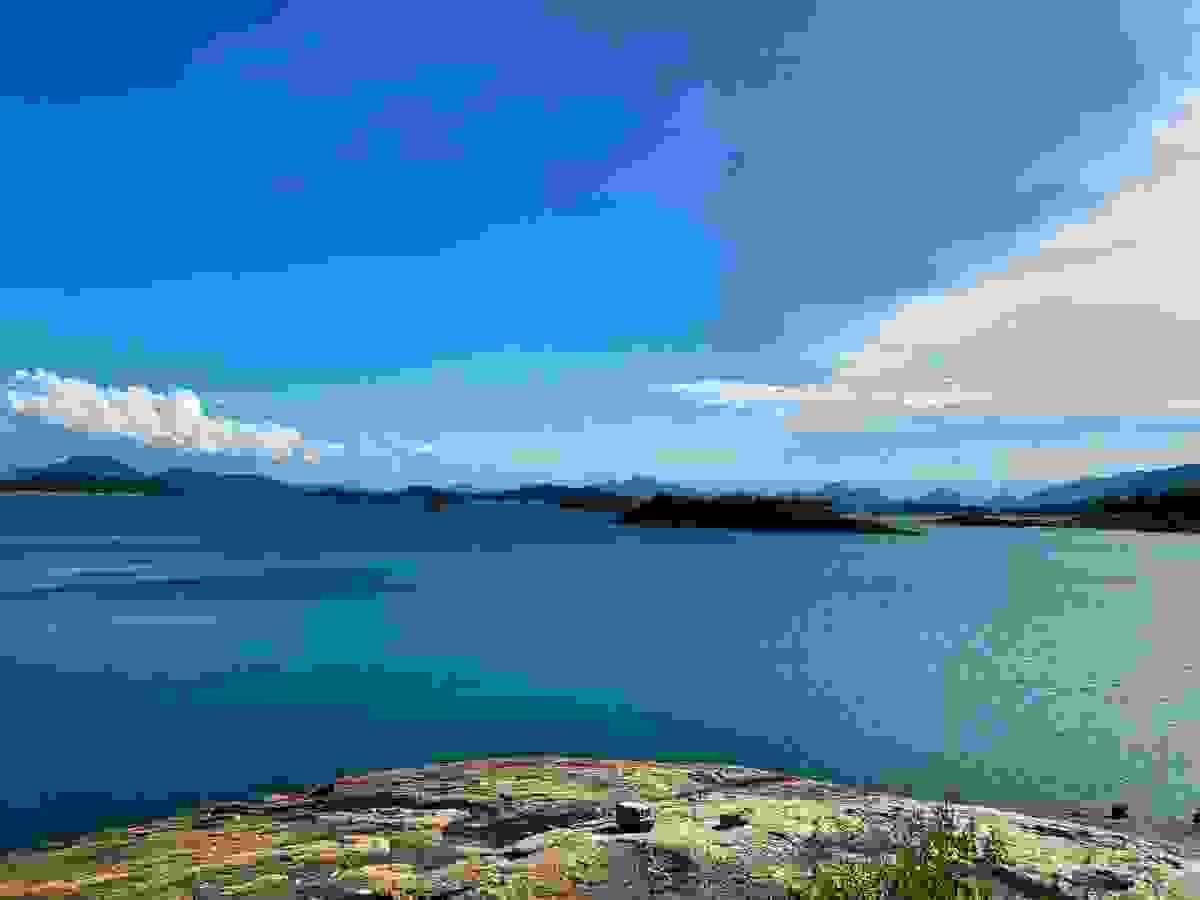
Gal Oya National Park was established in 1954 and the largest reservoir in Sri Lanka Senanayake Samudraya is in the middle of the national park. The park has three types of vegetation: forest, shrub and a substantial part of savannah grassland. 32 terrestrial mammals have been recorded in the park: The Sri Lankan elephant, Sri Lankan axis deer, muntjac, water buffalo, Sri Lankan sambar deer, Sri Lankan leopard, toque monkey, wild boar and more. Amongst the reptile species of the park are the mugger crocodile and the star tortoise. More than 150 species of birds have been seen in the Gal Oya area.
Minnerya National Park
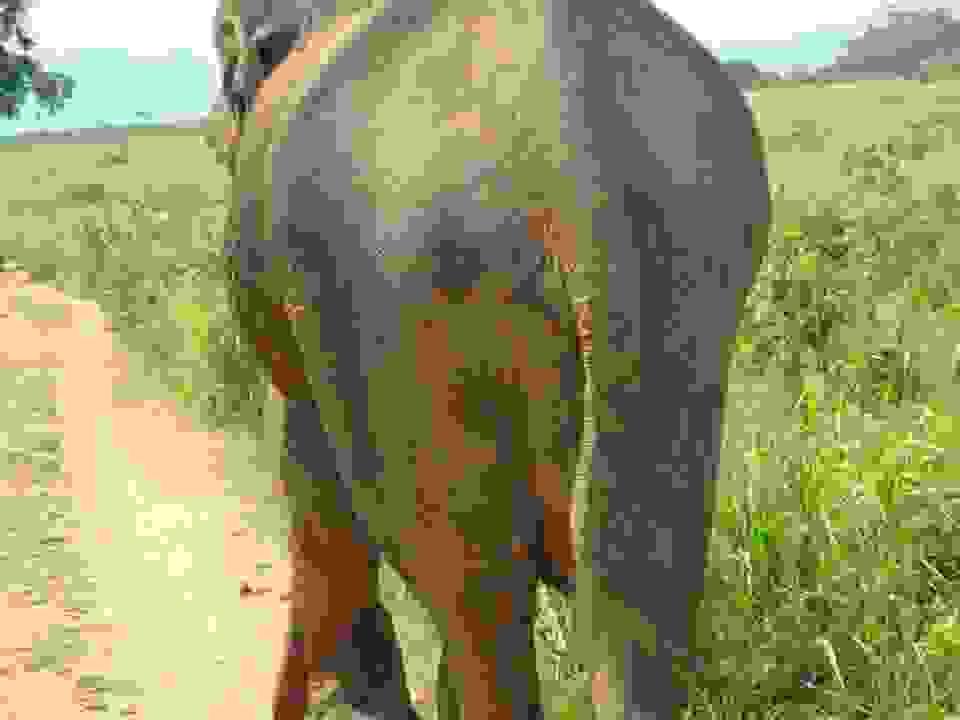
Minneriya National Park is a national park in the North Central Province of Sri Lanka. The area was declared a national park in 1997, having originally been designated a nature reserve in 1938. The reservoir within the park is of historical significance and was built by King Mahasen in the third century AD. During the dry season, the park serves as a feeding ground for the elephant population that inhabits the forests of the Matale, Polonnaruwa, and Trincomalee districts. With luck, it is possible to see 300-500 elephants at the reservoir. Elephants are also frequently encountered on the roads. The national park is home to 24 mammal species, 160 bird species, 9 amphibian species, 25 reptile species, 26 fish species and 75 butterfly species.

Sinharaja Rainforest
Sinharaja Rainforest is a tropical lowland rainforest. The national park represents one of the last large, contiguous forest areas on the island and has been a UNESCO World Heritage Site since 1988. Sinharaja Rainforest is famous for its extreme biodiversity and the highest number of endemic animal species. The park is explored on foot with a local guide.

Udawalawe National Park
Among the most popular national parks in Sri Lanka is Uda Walawe in the south of the country. Its many free-roaming elephants, in particular, make it a popular destination. The park, covering approximately 300 square kilometers, was declared a nature reserve in 1972. Besides some forests, it consists mainly of open grassland. Consequently, there are good chances of spotting wildlife, especially along rivers and waterholes.
Wilpattu National Park
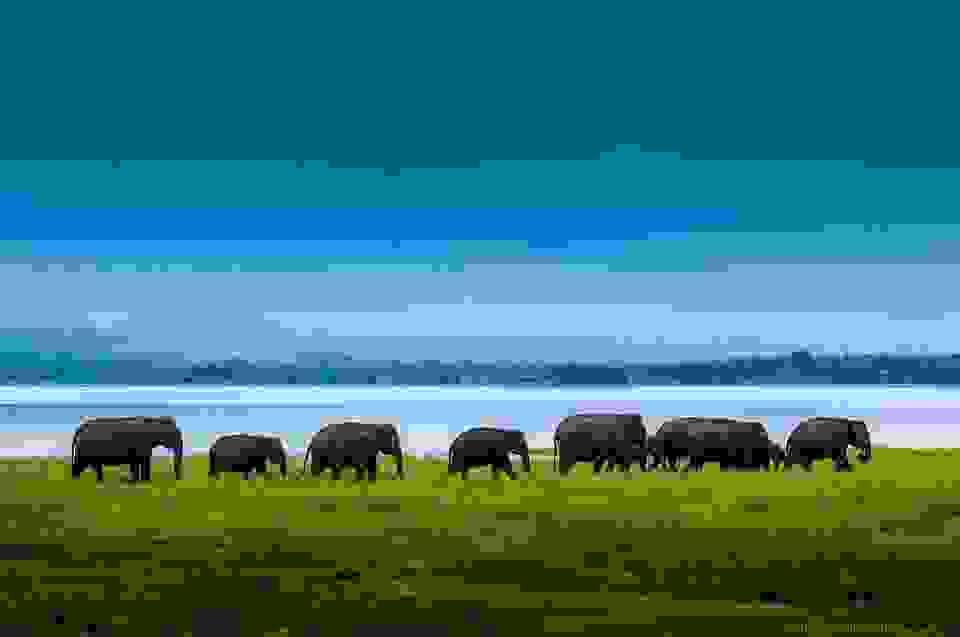
Wilpattu National Park is one of the largest national parks in Sri Lanka. It covers an area of approximately 131,500 hectares (1,080 square kilometers) and is located on the coast of the Indian Ocean in the northwest of the island, within the arid zone, about 25 kilometers north of Puttalam. During the Sri Lankan Civil War, the park was closed in 1985 and reopened in 2010 shortly after the war ended. Therefore, a major advantage of Wilpattu National Park is that it is not yet as developed for tourism as Yale National Park. On a safari, visitors can observe leopards and the endangered sloth bears in their natural habitat. Furthermore, one can find a unique wealth of wild animals here: Asian elephants, sika deer, muntjacs, sambar deer, wild boars, Asian buffalo, swamp crocodiles and many native birds, such as the Ceylon chicken.
Yala National Park
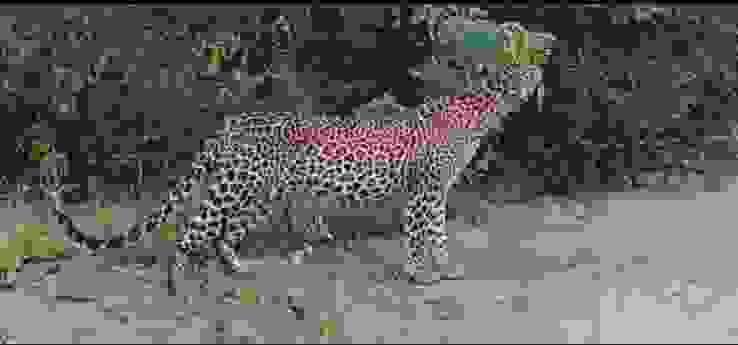
Yala National Park is the most popular and frequently visited national park in Sri Lanka. It is also the oldest nature reserve in the country. Visitors can observe approximately 30 mammal species and over 130 bird species. Elephants, leopards, sloth bears, crocodiles, mongooses, monkeys, and of course, the diverse birdlife are among the most commonly seen animals. Access to the park is only permitted with a local guide. We will begin this day trip very early in the morning, aiming to arrive at the park by 6:00 AM. The tour within the park will be conducted in an open safari jeep.
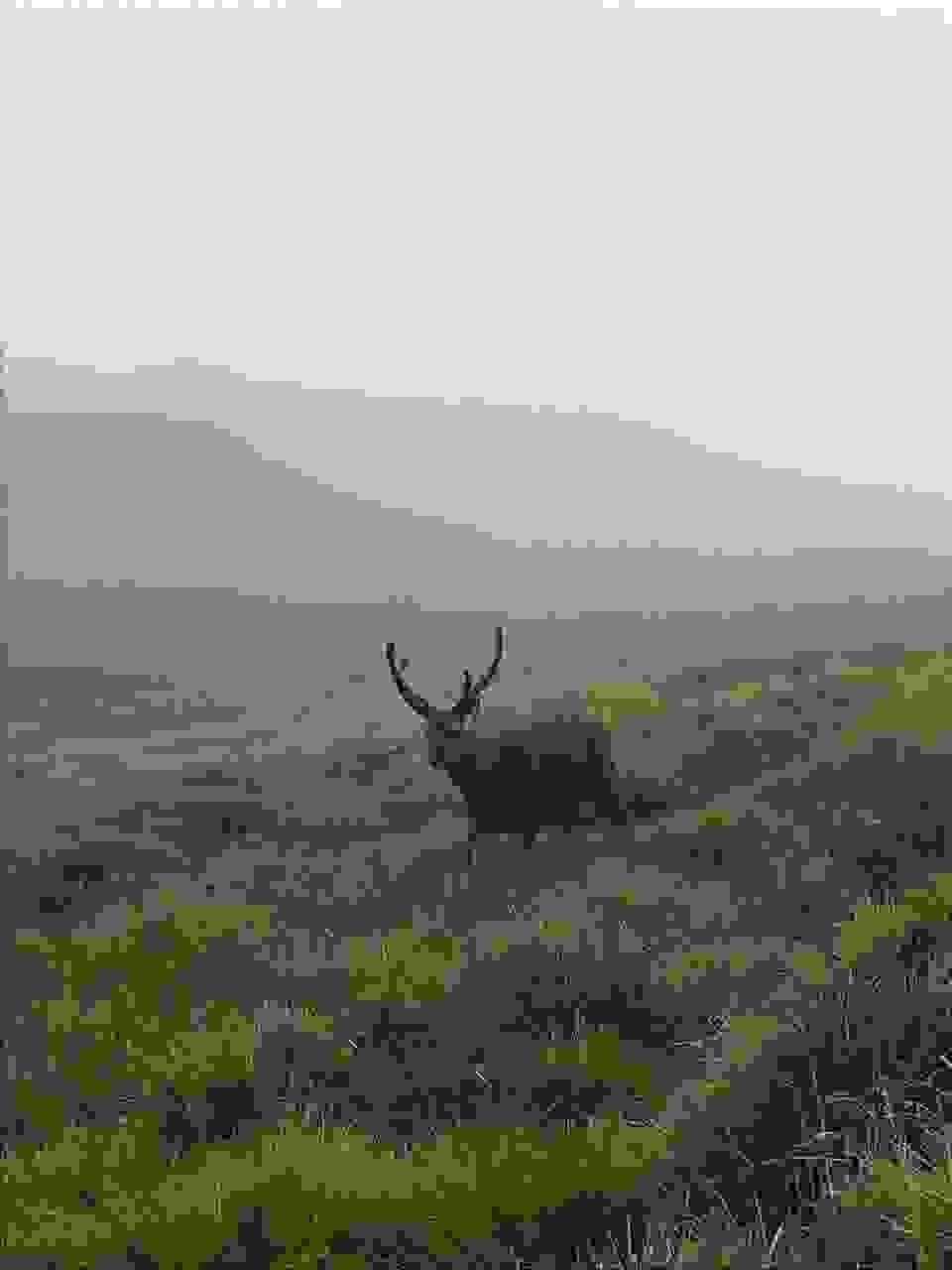
Horton Plains Nationalpark
Horton Plains National Park, covering approximately 32 square kilometers in the highlands of Sri Lanka, lies at an altitude of over 2,000 meters, offering spectacular views. The high altitude of Horton Plains National Park ensures a relatively cool climate, making it possible to hike here even in the height of summer without breaking a sweat.
Since 2010, the national park has been a UNESCO World Heritage Site. Many of the animal and plant species in Horton Plains National Park are found nowhere else on Earth. Horton Plains National Park boasts an almost unbelievable biodiversity. Approximately 2,000 hectares of the park are wet grassland, and 1,160 hectares are covered with subtropical, evergreen montane rainforest. It is a true treasure trove for flora and fauna. Around 750 plant species are represented here, including 54 tree species. Some of these trees reach heights of over 20 meters. Twenty-four mammal species, 87 bird species, nine reptile species, and up to 15 amphibian species inhabit this natural paradise.
Horton Plains National Park is the only national park in Sri Lanka that visitors can explore independently. Hiking trails crisscross the park, leading to various destinations depending on fitness level and interests. One of the most popular destinations is undoubtedly World's End, a cliff that drops 825 meters vertically. A roughly three-hour hike, which passes by Baker's Falls, ends at World's End. Humid grasslands and dense cloud forests characterize this area of Sri Lanka and provide a habitat for animals such as sambar deer and leopards. Following the marked trails offers a safe haven from the wild leopards that roam the park and also leads to the most beautiful spots in the national park.


